
Prisms - ISEE Upper Level: Quantitative Reasoning
Card 1 of 28
 is a positive number. Which is the greater quantity?
(A) The surface area of a rectangular prism with length  , width
  , and height
(B) The surface area of a rectangular prism with length  , width
  , and height
  .
.
(A) The surface area of a rectangular prism with length
(B) The surface area of a rectangular prism with length
Tap to reveal answer
The surface area of a rectangular prism can be determined using the formula:

Using substitutions, the surface areas of the prisms can be found as follows:
The prism in (A):







Regardless of the value of  ,
,  - that is, the first prism has the greater surface area. (A) is greater.
The surface area of a rectangular prism can be determined using the formula:
Using substitutions, the surface areas of the prisms can be found as follows:
The prism in (A):
Regardless of the value of
← Didn't Know|Knew It →
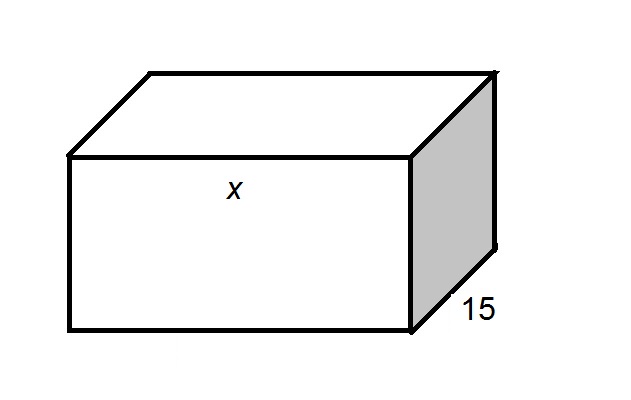
The above diagram shows a rectangular solid. The shaded side is a square. In terms of  , give the volume of the box.
The above diagram shows a rectangular solid. The shaded side is a square. In terms of
Tap to reveal answer
A square has four sides of equal length, as seen in the diagram below.
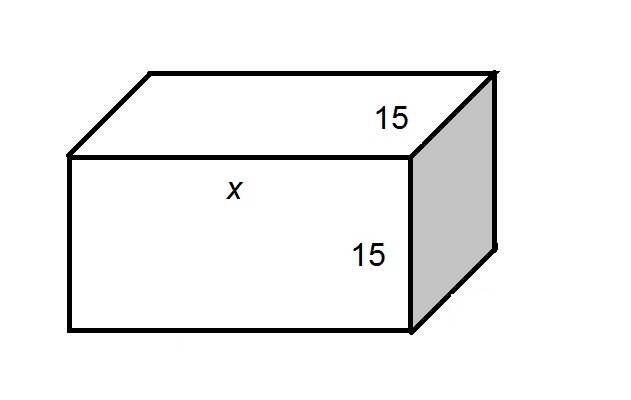
The volume of the solid is equal to the product of its length, width, and height, as follows:
 .
.
A square has four sides of equal length, as seen in the diagram below.
The volume of the solid is equal to the product of its length, width, and height, as follows:
← Didn't Know|Knew It →
A rectangular prism has a width of 3 inches, a length of 6 inches, and a height triple its length. Find the volume of the prism.
A rectangular prism has a width of 3 inches, a length of 6 inches, and a height triple its length. Find the volume of the prism.
Tap to reveal answer
A rectangular prism has a width of 3 inches, a length of 6 inches, and a height triple its length. Find the volume of the prism.
Find the volume of a rectangular prism via the following:

Where l, w, and h are the length width and height, respectively.
We know our length and width, and we are told that our height is triple the length, so...

Now that we have all our measurements, plug them in and solve:

A rectangular prism has a width of 3 inches, a length of 6 inches, and a height triple its length. Find the volume of the prism.
Find the volume of a rectangular prism via the following:
Where l, w, and h are the length width and height, respectively.
We know our length and width, and we are told that our height is triple the length, so...
Now that we have all our measurements, plug them in and solve:
← Didn't Know|Knew It →
is a positive number. Which is the greater quantity?
(A) The surface area of a rectangular prism with length , width , and height
(B) The surface area of a rectangular prism with length , width , and height .
(A) The surface area of a rectangular prism with length
(B) The surface area of a rectangular prism with length
Tap to reveal answer
The surface area of a rectangular prism can be determined using the formula:
Using substitutions, the surface areas of the prisms can be found as follows:
The prism in (A):
Regardless of the value of , - that is, the first prism has the greater surface area. (A) is greater.
The surface area of a rectangular prism can be determined using the formula:
Using substitutions, the surface areas of the prisms can be found as follows:
The prism in (A):
Regardless of the value of
← Didn't Know|Knew It →
Find the surface area of a non-cubic prism with the following measurements:

Find the surface area of a non-cubic prism with the following measurements:
Tap to reveal answer
The surface area of a non-cubic prism can be determined using the equation:


The surface area of a non-cubic prism can be determined using the equation:
← Didn't Know|Knew It →
The above diagram shows a rectangular solid. The shaded side is a square. In terms of  , give the surface area of the box.
The above diagram shows a rectangular solid. The shaded side is a square. In terms of
Tap to reveal answer
A square has four sides of equal length, as seen in the diagram below.
All six sides are rectangles, so their areas are equal to the products of their dimensions:
Top, bottom, front, back (four surfaces): 
Left, right (two surfaces): 
The total surface area: 
A square has four sides of equal length, as seen in the diagram below.
All six sides are rectangles, so their areas are equal to the products of their dimensions:
Top, bottom, front, back (four surfaces):
Left, right (two surfaces):
The total surface area:
← Didn't Know|Knew It →
is a positive number. Which is the greater quantity?
(A) The surface area of a rectangular prism with length , width , and height
(B) The surface area of a rectangular prism with length , width , and height .
(A) The surface area of a rectangular prism with length
(B) The surface area of a rectangular prism with length
Tap to reveal answer
The surface area of a rectangular prism can be determined using the formula:
Using substitutions, the surface areas of the prisms can be found as follows:
The prism in (A):
Regardless of the value of , - that is, the first prism has the greater surface area. (A) is greater.
The surface area of a rectangular prism can be determined using the formula:
Using substitutions, the surface areas of the prisms can be found as follows:
The prism in (A):
Regardless of the value of
← Didn't Know|Knew It →
Find the surface area of a non-cubic prism with the following measurements:
Find the surface area of a non-cubic prism with the following measurements:
Tap to reveal answer
The surface area of a non-cubic prism can be determined using the equation:
The surface area of a non-cubic prism can be determined using the equation:
← Didn't Know|Knew It →
The above diagram shows a rectangular solid. The shaded side is a square. In terms of , give the surface area of the box.
The above diagram shows a rectangular solid. The shaded side is a square. In terms of
Tap to reveal answer
A square has four sides of equal length, as seen in the diagram below.
All six sides are rectangles, so their areas are equal to the products of their dimensions:
Top, bottom, front, back (four surfaces):
Left, right (two surfaces):
The total surface area:
A square has four sides of equal length, as seen in the diagram below.
All six sides are rectangles, so their areas are equal to the products of their dimensions:
Top, bottom, front, back (four surfaces):
Left, right (two surfaces):
The total surface area:
← Didn't Know|Knew It →
The above diagram shows a rectangular solid. The shaded side is a square. In terms of , give the volume of the box.
The above diagram shows a rectangular solid. The shaded side is a square. In terms of
Tap to reveal answer
A square has four sides of equal length, as seen in the diagram below.
The volume of the solid is equal to the product of its length, width, and height, as follows:
.
A square has four sides of equal length, as seen in the diagram below.
The volume of the solid is equal to the product of its length, width, and height, as follows:
← Didn't Know|Knew It →
A rectangular prism has a width of 3 inches, a length of 6 inches, and a height triple its length. Find the volume of the prism.
A rectangular prism has a width of 3 inches, a length of 6 inches, and a height triple its length. Find the volume of the prism.
Tap to reveal answer
A rectangular prism has a width of 3 inches, a length of 6 inches, and a height triple its length. Find the volume of the prism.
Find the volume of a rectangular prism via the following:
Where l, w, and h are the length width and height, respectively.
We know our length and width, and we are told that our height is triple the length, so...
Now that we have all our measurements, plug them in and solve:
A rectangular prism has a width of 3 inches, a length of 6 inches, and a height triple its length. Find the volume of the prism.
Find the volume of a rectangular prism via the following:
Where l, w, and h are the length width and height, respectively.
We know our length and width, and we are told that our height is triple the length, so...
Now that we have all our measurements, plug them in and solve:
← Didn't Know|Knew It →
The above diagram shows a rectangular solid. The shaded side is a square. In terms of , give the volume of the box.
The above diagram shows a rectangular solid. The shaded side is a square. In terms of
Tap to reveal answer
A square has four sides of equal length, as seen in the diagram below.
The volume of the solid is equal to the product of its length, width, and height, as follows:
.
A square has four sides of equal length, as seen in the diagram below.
The volume of the solid is equal to the product of its length, width, and height, as follows:
← Didn't Know|Knew It →
A rectangular prism has a width of 3 inches, a length of 6 inches, and a height triple its length. Find the volume of the prism.
A rectangular prism has a width of 3 inches, a length of 6 inches, and a height triple its length. Find the volume of the prism.
Tap to reveal answer
A rectangular prism has a width of 3 inches, a length of 6 inches, and a height triple its length. Find the volume of the prism.
Find the volume of a rectangular prism via the following:
Where l, w, and h are the length width and height, respectively.
We know our length and width, and we are told that our height is triple the length, so...
Now that we have all our measurements, plug them in and solve:
A rectangular prism has a width of 3 inches, a length of 6 inches, and a height triple its length. Find the volume of the prism.
Find the volume of a rectangular prism via the following:
Where l, w, and h are the length width and height, respectively.
We know our length and width, and we are told that our height is triple the length, so...
Now that we have all our measurements, plug them in and solve:
← Didn't Know|Knew It →
Find the surface area of a non-cubic prism with the following measurements:
Find the surface area of a non-cubic prism with the following measurements:
Tap to reveal answer
The surface area of a non-cubic prism can be determined using the equation:
The surface area of a non-cubic prism can be determined using the equation:
← Didn't Know|Knew It →
The above diagram shows a rectangular solid. The shaded side is a square. In terms of , give the surface area of the box.
The above diagram shows a rectangular solid. The shaded side is a square. In terms of
Tap to reveal answer
A square has four sides of equal length, as seen in the diagram below.
All six sides are rectangles, so their areas are equal to the products of their dimensions:
Top, bottom, front, back (four surfaces):
Left, right (two surfaces):
The total surface area:
A square has four sides of equal length, as seen in the diagram below.
All six sides are rectangles, so their areas are equal to the products of their dimensions:
Top, bottom, front, back (four surfaces):
Left, right (two surfaces):
The total surface area:
← Didn't Know|Knew It →
The above diagram shows a rectangular solid. The shaded side is a square. In terms of , give the volume of the box.
The above diagram shows a rectangular solid. The shaded side is a square. In terms of
Tap to reveal answer
A square has four sides of equal length, as seen in the diagram below.
The volume of the solid is equal to the product of its length, width, and height, as follows:
.
A square has four sides of equal length, as seen in the diagram below.
The volume of the solid is equal to the product of its length, width, and height, as follows:
← Didn't Know|Knew It →
A rectangular prism has a width of 3 inches, a length of 6 inches, and a height triple its length. Find the volume of the prism.
A rectangular prism has a width of 3 inches, a length of 6 inches, and a height triple its length. Find the volume of the prism.
Tap to reveal answer
A rectangular prism has a width of 3 inches, a length of 6 inches, and a height triple its length. Find the volume of the prism.
Find the volume of a rectangular prism via the following:
Where l, w, and h are the length width and height, respectively.
We know our length and width, and we are told that our height is triple the length, so...
Now that we have all our measurements, plug them in and solve:
A rectangular prism has a width of 3 inches, a length of 6 inches, and a height triple its length. Find the volume of the prism.
Find the volume of a rectangular prism via the following:
Where l, w, and h are the length width and height, respectively.
We know our length and width, and we are told that our height is triple the length, so...
Now that we have all our measurements, plug them in and solve:
← Didn't Know|Knew It →
Find the surface area of a non-cubic prism with the following measurements:
Find the surface area of a non-cubic prism with the following measurements:
Tap to reveal answer
The surface area of a non-cubic prism can be determined using the equation:
The surface area of a non-cubic prism can be determined using the equation:
← Didn't Know|Knew It →
The above diagram shows a rectangular solid. The shaded side is a square. In terms of , give the surface area of the box.
The above diagram shows a rectangular solid. The shaded side is a square. In terms of
Tap to reveal answer
A square has four sides of equal length, as seen in the diagram below.
All six sides are rectangles, so their areas are equal to the products of their dimensions:
Top, bottom, front, back (four surfaces):
Left, right (two surfaces):
The total surface area:
A square has four sides of equal length, as seen in the diagram below.
All six sides are rectangles, so their areas are equal to the products of their dimensions:
Top, bottom, front, back (four surfaces):
Left, right (two surfaces):
The total surface area:
← Didn't Know|Knew It →
A large crate in the shape of a rectangular prism has dimensions 5 feet by 4 feet by 12 feet. Give its volume in cubic yards.
A large crate in the shape of a rectangular prism has dimensions 5 feet by 4 feet by 12 feet. Give its volume in cubic yards.
Tap to reveal answer
Divide each dimension by 3 to convert feet to yards, then multiply the three dimensions together:

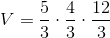
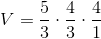
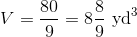
Divide each dimension by 3 to convert feet to yards, then multiply the three dimensions together:
← Didn't Know|Knew It →